When Brittany Preston and her classmates were first introduced to Fayetteville’s ‘Fascinate U’ Children’s Museum as part of a project for their Methodist University Doctor of Occupational Therapy classwork, they didn’t just see an assignment, what they saw was a real need.
“There was one group before us that had just started some general ideas, but nothing concrete,” Preston said. “Our group was really passionate about sensory integration, not just for engagement, but for kids who could benefit from something more.”
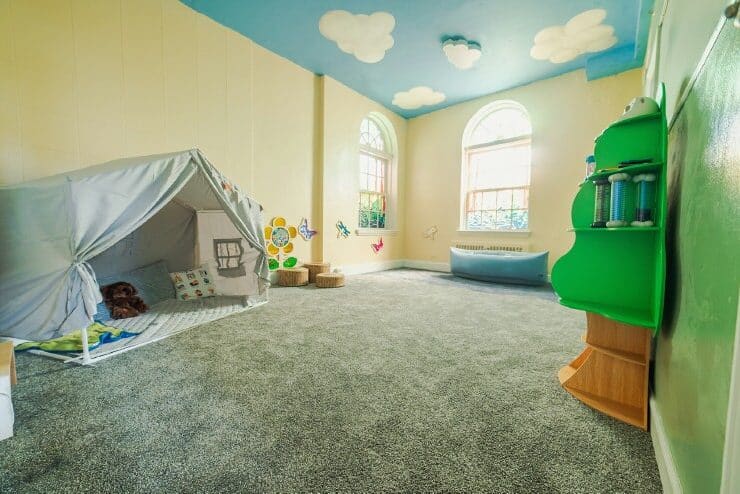
Their solution was a calming, adaptable, sensory-friendly room known as Mindful Meadow. Designed to be a break from overstimulation and inclusive for children with sensory needs, the Monarchs laid the groundwork through research, budgeting, and creative design for what would become a meaningful addition to the museum when it opened just a few weeks ago.
Preston and her peers focused on practical but powerful elements from calm lighting to varied textures and accessibility all within proposals designed to fit within grant funding.
“We knew sensory rooms were becoming more common in places like airports and sporting events,” said Preston, who has continued this work since graduation, consulting with organizations like “Gigi’s Playhouse,” and exploring sensory-friendly setups with local sports teams. “It was important to us that this space made every child feel like they belonged.”
For Amanda Jekel, the museum’s executive director and leader in the ongoing partnership with Methodist University, that sense of belonging is exactly what the museum hoped for in Mindful Meadow.
“We wanted to create a space that took you out of the mini-city theme of the museum and into nature, a calming escape,” Jekel said.
The nature-inspired design with its gentle lighting, fidget toys, and peaceful décor was all part of the larger vision. It was with the continued collaboration with MU students, the vision that kept evolving.
“We’re constantly taking feedback from families, we’ve had campers nap in there, and parents tell us it gives them the confidence to bring their kids back on busy days,” Jekel said. “It’s more than a room; it’s a reset.”
The work with Methodist University students didn’t stop there, and Jekel hopes to continue its collaboration.
“They’ve helped us with the sensory room, but also with other exhibits,” Jekel said. “Creating sorting prompts in our post office play area, adding interactive ideas, and helping us think more deeply about inclusive imaginative play.”
Museum Visitor Director Patricia Lily emphasized just how crucial the students’ involvement was.
“They were hands-on, always on schedule, and really helped us bring this idea to life. Even apologizing when things took longer than expected,” she said. “It showed how much they cared.”
The most important takeaway was far beyond design. It’s the reminder that everyone, neurodivergent or not, just needs a moment to breathe.
“Sometimes even typical children need downtime. Parents, too. That quiet space, it’s very important,” Lily said.
Preston echoed that sentiment, tying the sensory room concept to a universal human need. “I work at a hospital now, and we have a meditation room, that’s our version of this,” she said. “Adults need sensory spaces too.”
Mindful Meadow opened for the public on June 24 of this year and proves that when intention meets collaboration, even a small room can make a big difference.
For more information on Methodist University’s Doctor of Occupational Therapy program and the work students do, visit: methodist.edu/otd/